cropper
update

HAITIAN BIZ CONNECT

update
  • Home
  • Categories
    • Entrepreneur Success Stories
    • USA Market Analysis
    • Cultural Business Integration Tips
    • Local Networking Events
    • Business Regulation Updates
September 08.2025
2 Minutes Read

SEC Charges Pennsylvania Resident with $770 Million Ponzi Scheme: A Warning for the Haitian-American Business Community

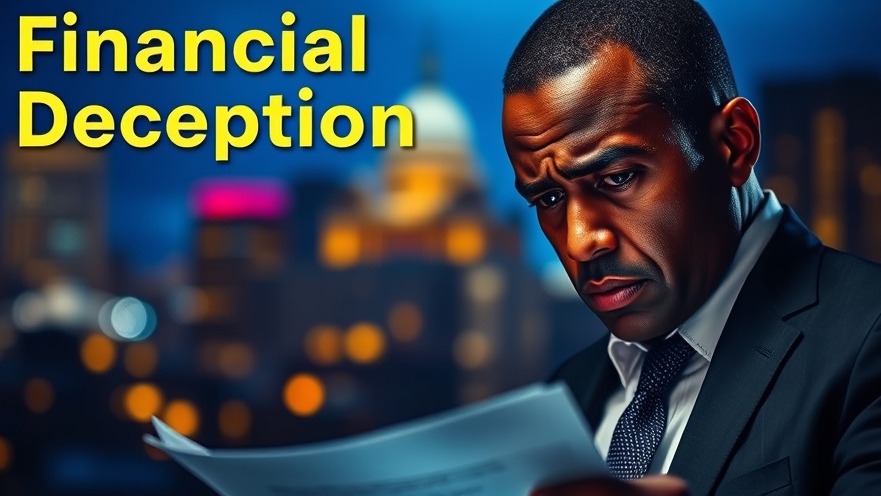
Concerned Haitian-American businessperson reviewing documents on financial deception.

SEC's Bold Stand Against Fraud: The $770 Million Case

The recent action taken by the Securities and Exchange Commission (SEC) against a Pennsylvania resident and his companies for conducting a $770 million Ponzi scheme raises alarming questions about business practices. This case underscores critical issues regarding regulatory oversight and financial literacy within the business community, particularly affecting the Haitian-American diaspora engaged in varying sectors.

Implications of the Ponzi Scheme in Today's Market

Ponzi schemes, characterized by returns paid to earlier investors from the capital of newer investors rather than from profit earned, are a blatant violation of trust that can devastate communities. The SEC’s intervention highlights the importance of vigilance among investors, especially for those entering complex investment environments.

The Importance of Financial Education in the Haitian-American Community

Within the Haitian-American business community, financial education and awareness of regulatory updates are vital components for fostering a resilient economic landscape. By learning about business compliance updates and federal business regulations, community members can protect themselves from similar pitfalls.

Future Trends: How Communities Can Adapt

This incident could act as a catalyst for strengthened community forums focused on business compliance and investor education. The Haitian-American business community must leverage local networks to share knowledge regarding the latest business laws in the USA and promote transparency and accountability in investments.

In light of this unfolding narrative, it is imperative for investors and entrepreneurs to stay informed about federal business regulations and proactively engage with educational resources designed to improve financial understanding. Such engagement reinforces community resilience and protects against exploitation.

Business Regulation Updates

0 Views

0 Comments

Write A Comment

*
*
Please complete the captcha to submit your comment.
Related Posts All Posts
05.29.2026

Understanding the SEC's Proposal to Rescind Climate-Related Disclosure Rules

Update The SEC's Proposal to Rescind Climate Disclosure Rules The Securities and Exchange Commission (SEC) is taking steps to revoke its 2024 climate-related disclosure rule, a decision that raises significant concerns among investors and environmental advocates alike. The proposed rescission was submitted to the White House Office of Management and Budget, signaling a shift in policy under the current leadership, including Chair Paul Atkins, who argues for a more materiality-focused approach to securities regulation. What Does This Mean for Investors? The SEC’s 2024 rule aimed to provide standardized guidelines for companies regarding the disclosure of climate-related risks and their greenhouse gas emissions. Although intended to safeguard investors by providing clearer insights into potential climate risks, the rule faced pushback from corporate interests and political figures. Critics, including the Sierra Club, argue that rescinding this regulation undermines investor protection, particularly as climate risks increasingly impact financial markets. This development could leave public companies without a consistent federal baseline for climate disclosure. Ecological and Economic Implications The retreat from such regulations could further the divide between U.S. practices and those of international jurisdictions that have established their own climate disclosure requirements. For the Haitian-American business community and other stakeholders, this shift may complicate efforts to navigate both domestic compliance and global market expectations. Investors are urged to consider not only the regulatory environment but also the inherent risks related to climate change that could impact their investments and the broader market. The Response from the Business Community Feedback from major institutional investors largely supported the original climate disclosure requirements, highlighting a pressing need for transparent climate risk communication. As the SEC prepares to reconsider its approach, business leaders within the Haitian-American community are encouraged to stay informed about evolving federal regulations and to advocate for transparency that benefits both investors and the environment. Moving Forward: What Can Businesses Do? In light of potential changes to climate-related regulations, businesses should reassess their own strategies concerning environmental disclosures. Engaging in proactive reporting on sustainability efforts and understanding new compliance landscapes will be crucial. This not only builds trust with investors but also aligns with global trends emphasizing accountability regarding climate change impacts. In conclusion, the SEC's shift away from rigorous climate disclosure raises important questions about the future of federal business regulations. Companies should adapt to these changes by prioritizing transparency and strategic compliance, particularly in a complex regulatory environment that may be shifting beneath their feet.

05.28.2026

Stay Ahead: New SEC Business Regulation Updates Coming June 4

Update Understanding the SEC's Role in Business RegulationThe U.S. Securities and Exchange Commission (SEC) plays a pivotal role in shaping the financial landscape and ensuring that markets operate fairly. The Investor Advisory Committee (IAC) serves as a crucial link between the SEC and the investment community, providing insights and recommendations on emerging issues. On June 4, the committee will convene, presenting a valuable opportunity for stakeholders, especially within the Haitian-American business community, to gain firsthand knowledge of regulatory updates that may impact their operations.The Importance of Active ParticipationAs regulatory frameworks evolve, staying informed is essential for compliance and strategic planning. The upcoming meeting will address crucial topics such as investor protection, market integrity, and emerging digital asset regulations, offering a platform for voices from diverse backgrounds—including that of the Haitian-American business community—to express their concerns and insights. Engaging in these discussions can enhance understanding and foster more inclusive policymaking.Compliance Strategies for Business OwnersFor business owners navigating the complexities of federal regulations, the insights derived from the SEC meeting can illuminate best practices for compliance. Understanding the latest business laws in the U.S. is not only crucial for avoiding penalties but also pivotal in leveraging regulations for competitive advantage. Entrepreneurs are encouraged to implement strategic adjustments based on the outcomes of the June 4 meeting.

05.22.2026

What the SEC and NFA's New MoU Means for Business Regulation Updates

Update Understanding the SEC and NFA's New Memorandum of UnderstandingIn a significant move toward enhanced regulatory coordination, the U.S. Securities and Exchange Commission (SEC) and the National Futures Association (NFA) have announced a new Memorandum of Understanding (MoU). This agreement aims to streamline oversight processes and ensure that regulations governing the financial markets remain effective and responsive to market developments. The MoU marks a progressive step in harmonizing regulatory frameworks, which is essential for fostering a transparent and stable business environment.Impacts on the Business CommunityThis regulatory alignment will have particular implications for the Haitian-American business community in the USA, which often navigates a complex landscape of federal regulations. By improving communication and coordination between the SEC and NFA, businesses can expect clearer guidance regarding compliance with federal business regulations. The focus on collaborative regulation could provide a more coherent approach to compliance, helping businesses mitigate risks associated with penalties or enforcement actions arising from regulatory misunderstandings.Potential Benefits for EntrepreneursThe MoU is not merely a procedural change; it offers practical benefits for entrepreneurs. As regulatory bodies harmonize their approaches, businesses can anticipate a reduction in compliance burdens. This is crucial for small to medium enterprises that may lack the extensive legal and compliance resources enjoyed by larger corporations. By simplifying the regulatory environment, the SEC and NFA are paving the way for more streamlined operations, which can facilitate growth and new investments within the vibrant Haitian-American business sector.Future Considerations for ComplianceAs the SEC and NFA implement strategies under the MoU, it is vital for business leaders to remain vigilant and proactive in understanding evolving regulations. Keeping abreast of business regulation updates ensures that organizations can adapt swiftly and remain compliant, thus avoiding pitfalls associated with regulatory oversights. Moreover, participation in local networking events within the Haitian-American business community can provide valuable insights and forums for discussion surrounding these crucial changes.

Terms of Service

Privacy Policy

Core Modal Title

Sorry, no results found

You Might Find These Articles Interesting

T
Please Check Your Email
We Will Be Following Up Shortly
*
*
*